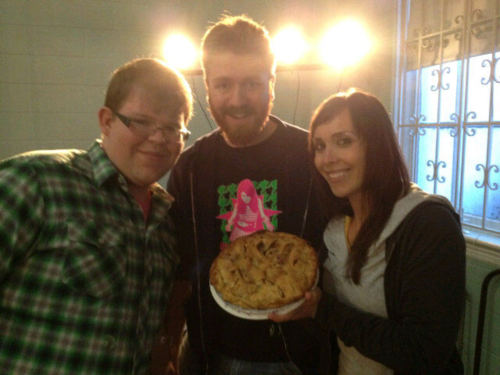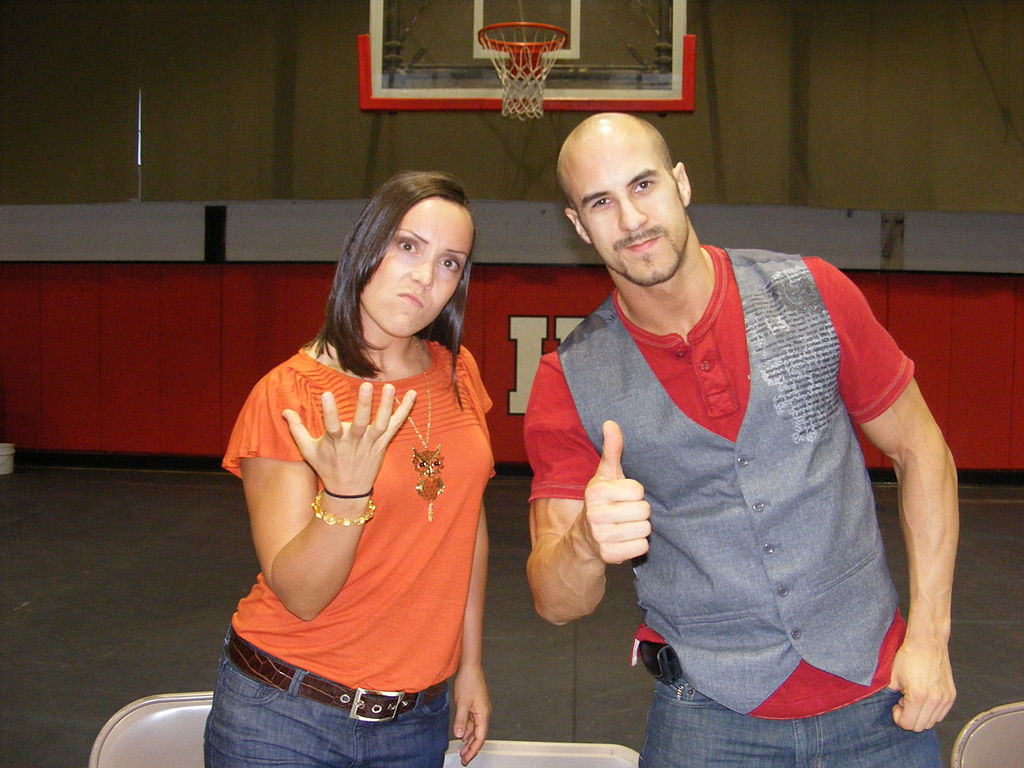
 I don’t know how, but I was sitting in the front row of what was formerly known as the ECW Arena for this match, which is still the best I’ve ever seen live. My experience at live events covers a lot of ground, too, from WCW and WWF shows as a child to working Absolute Intense Wrestling cards as an announcer to WrestleMania this year. This match still stands out to me even watching it today for the first time in a year. I remember everything about that day, the last of a three day trip from Detroit to Cleveland to Reading to Philadelphia. Four days of driving and three nights of wrestling, Sara Del Rey on each card. We were in Philadelphia early enough to go to the Mûtter Museum and the Edgar Allen Poe house. To be frustrated by the lines at both Pat’s and Geno’s and settle instead for a mediocre pizza place down the block. To stand in line at the arena on Swanson and Ritter, waiting, chatting about the match that got me and two friends to drive all that way, occupying the cheapest, sketchiest motels any of us had slept in, driving on no sleep and three or four energy drinks. Sara Del Rey and Claudio Castagnoli wrestled three years ago, but it feels like three persons ago, as if the chubby dude in the Colt Cabana shirt slapping five with Dasher Hatfield and yelling dumb shit at all of the heels never existed. When I see myself sitting there, or hear the things that I yelled, I cringe.
The concept of intergender wrestling was not new to me in 2011. Men and women occasionally mixed it up in WWE—Chyna was an Intercontinental Champion before she ever wrestled a woman, for example, and there was a 2003 “Battle of the Sexes” tag team match that pit Christian and Chris Jericho against Trish Stratus and Lita. But Chyna’s run and that tag team match were built around the premise that it was odd that women might compete with men, break out from their section of the roster and shoot for something greater than a gendered championship. That shouldn’t be a big problem on the independent wrestling scene, but even in 2014 it seems to be a sticking point for some. There are size differences and muscles and societal norms and, really, it’s about realism in professional wrestling. This match, and Del Rey’s entire 2011 and 2012 (before she was hired by World Wrestling Entertainment to train women at their Performance Center), were part of breaking this perception. Every intergender wrestling match that has followed in the United States can be traced back to this one.
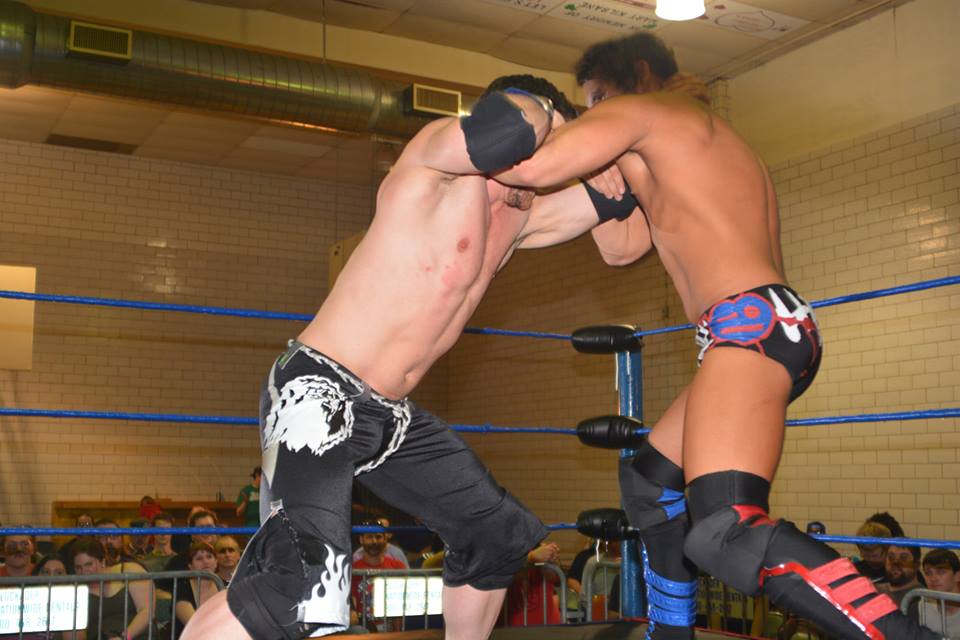
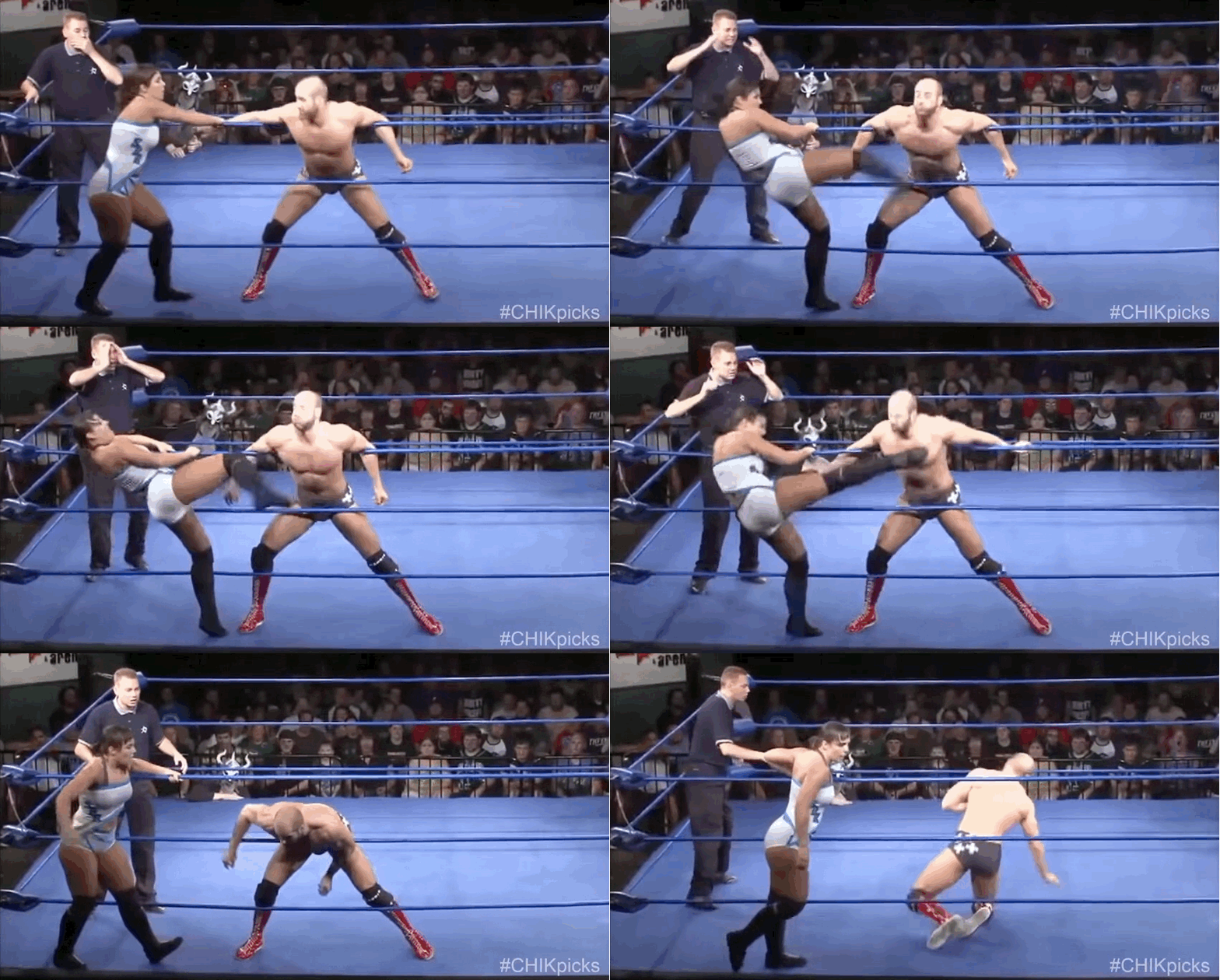
From the start, the story this match tells is brilliant. And that’s without the actual story this match is telling. Put in context, Claudio Castagnoli is the leader of the BDK, a villainous stable of wrestlers who made it their business to conquer CHIKARA and were quite successful in doing so. Castagnoli and his partner Ares were successful tag team champions, and they used Sara Del Rey and her partner, Daizee Haze, as a shield, positioning them against other teams that were on the verge of challenging Castagnoli and Ares. Del Rey and Haze were quite successful, accruing enough points in CHIKARA’s contendership system to challenge their leaders, but they never did. When CHIKARA instituted a Grand Championship, they decided to crown the first singles champion with a 12-person Round Robin tournament. Each wrestler on the CHIKARA roster was allowed to vote somebody into the Round Robin, and Del Rey made it thanks to the votes of Madison Eagles and Daizee Haze, who disobeyed BDK dictum by voting for Del Rey over Castagnoli. This wasn’t the final match of the tournament, but it was the most heated: Sara and her partner had grown tired of being held down by the BDK, who promised them opportunities in a promotion that hadn’t given women too many, and this match was an opportunity for her to make a statement against the man most responsible for holding her down. The match has since been presented without any of that context, and it doesn’t need it. Claudio Castagnoli, though not quite in the shape he’s in now as WWE’s Cesaro, was the most imposing man on the independents, 260-pounds of muscle, a man of old-school strongman strength. Del Rey wasn’t small by any means—against most American women wrestlers, she was more akin to the likes of Bull Nakano—but Castagnoli outweighs her easily and has every conceivable advantage. He knows it, too, and isn’t shy. He shoves Del Rey to the canvas and slaps her when she refuses to take the easy way out, and Del Rey responds with kicks that’d cause a lesser human being to crumble.
Castagnoli needs the outside interference of Tursas to gain the advantage, but once he has it he never really lets go. As hard as Del Rey’s kicks are, the Swiss superman’s European uppercuts are just as visceral, catching his opponent on the chin and sending her down to the canvas. The way he hoists Del Rey up from the mat in a gutwrench position and walks around the ring before suplexing her might not seem impressive given the monsters he’s lifted and slammed since becoming a member of the WWE roster, but as close as I was to it, and for how hot it was in the arena, his strength seemed impossible. His strength is certainly why he continues to treat Del Rey as an afterthought, taunting her as he doles out punishment. The match teases and teases an improbable Del Rey win via a surprise pinfall as she tries to bring Castagnoli down with a sunset flip (only to be crushed with a leg drop) or a schoolboy (only for Castagnoli to kick out and complete his attempted suplex), but he’s too strong and too fresh for Del Rey to ever really make a comeback on. A Castagnoli victory seems like a sure thing at every turn. When Del Rey’s bridges out of a fourth Castagnoli elbow drop, it’s like witnessing a tiny miracle just before the apocalypse: Nice, but meaningless.
All of this, of course, makes Del Rey’s eventual comeback feel that much more special. She’s beaten, exhausted, and dehydrated. Her opponent has been hitting her with his best strikes for the better part of eight minutes. It’s 100-degrees in the ECW Arena and this is her third match of the weekend. But she dodges a Castagnoli shoulderblock in the corner, takes Tursas out with a cannonball senton, and dives onto her rival with a crossbody block. When Claudio kicks out, she takes his outstretched arm and applies a cross-armbreaker submission maneuver and wrenches back like her future in wrestling depends on the outcome of this match. Because it does. But Castagnoli struggles and gets his foot on the ropes, and the match continues, which allows Castagnoli a knockout blow with a bicycle kick and, when Del Rey manages to get her foot on the ropes, this absolute nightmare of a move, the UFO:
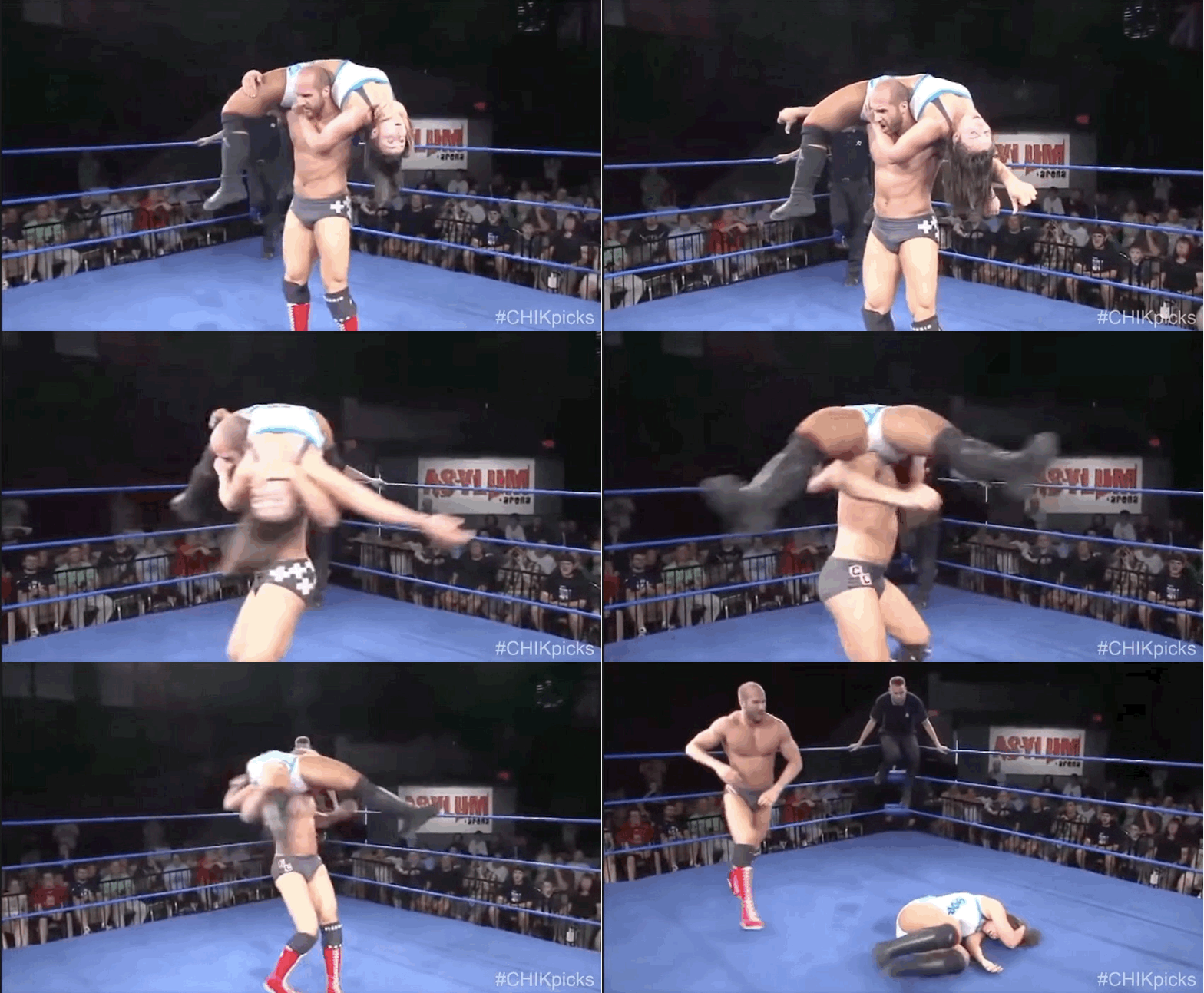
Del Rey’s comeback from this is unreal—the audio doesn’t quite capture it, but the sold out crowd, mostly silenced by the heat, comes unglued when she kicks out and manages to go on the offensive again, hitting Castagnoli with her signature capo kicks in the corner and reapplying the armbar. It’s the second time, and Castagnoli has been selling his arm, but his freakish strength allows him to lift Sara up from the canvas and onto his shoulder before he sends her smashing back down to the mat… only for her to reapply the armbar! This is one of the coolest sequences I’ve seen in wrestling, a perfect crescendo relying on power, emotion, and positioning, and the explosion when Del Rey once again gets the arm bar is the most genuinely impassioned reaction I’ve seen in on an independent wrestling show. Had Castagnoli tapped out, the match would have been perfect, but he’s a final boss on his last legs, and the big bastard, now desperate, has some fight in him yet. There is nothing pretty about the lariats he clubs Del Rey with, nothing held back from his Ricola Bomb finish. They’re raw and brutal, and the powerbomb should end it, but having been embarrassed by the fight in Del Rey he lifts her shoulders up and positions her for an uppercut. That doesn’t satisfy him either, but this time Del Rey is present enough to cradle Castagnoli, roll his shoulders to the mat, and score the win.
You can see me pop out of my seat, lean over the guardrail and scream in adulation. You can hear the crowd. After this video’s runtime, Claudio gets his revenge, bicycle kicking Del Rey and chokeslamming Haze, but he is soon on his way to WWE developmental. Del Rey had another year on the circuit—she was signed by the WWE as a trainer in July and reported to their training facility in September. That year, though, she was unquestionably the best wrestler in CHIKARA, working a number of matches that were among the best of the year. But none were better than this one, and few matches, in fact, mean as much to me in terms of my development as a fan or as a person. I forget, exactly, what I’m leaning over to tell my friend Caleb as the bell rings, but the conversation we’re having and will continue over the next few weeks will grow and expand as we finish our respective degrees. We talk about maybe doing wrestling school together, but when he and his girlfriend break up he goes to wrestling school by himself because he needs a distraction. I give Absolute Intense Wrestling some money in a Kickstarter and they let me call a match as a try out—Sara Del Rey vs. Mickie Knuckles—and I do well enough that they call me back, and for a year and a half I get to live out my weird kid dream of being a professional wrestling announcer. Caleb finishes wrestling school, but he only wrestles a few times before he moves to Philadelphia to attend the writing program at Temple; I never get to see him in the ring. When I graduate with my MFA in creative writing I take the prize money I won from a fellowship and go to wrestling school myself. I don’t last a night before I get a concussion, before I get so mad at myself for bumping too soft that I decide to really throw myself down to the mat and, in doing so, land head first, but the essay that I write gets me into a PhD program in Georgia, where I am now, and out of an office gig in Detroit. It’s weird, how connected these things are. When I watch this match now, when I watch myself react to it, it’s like I’m watching a ghost.